
+91-9987013449
1. Structural Mild Steel Plates
-Description: These plates are used primarily in structural applications where strength and durability are key requirements.
-Applications: Structural components in buildings, bridges, and infrastructure projects. They provide foundational support and load-bearing capacity.
2. High Tensile Mild Steel Plates
-Description: These plates have higher tensile strength compared to standard mild steel plates, offering improved performance in demanding applications.
-Applications: Used in heavy machinery, construction equipment, and components requiring higher strength and resistance to wear and tear.
1. Chemical Composition
-Low Carbon Content: Typically contains carbon in the range of 0.05% to 0.25%, which contributes to its malleability and ductility.
-Other Alloying Elements: Includes small amounts of manganese, silicon, sulfur, and phosphorus, influencing its mechanical properties.
2. Mechanical Properties
-Strength: Provides moderate tensile and yield strength suitable for structural applications.
-Ductility: High ductility allows for easy forming, bending, and shaping without cracking.
-Machinability: Good machinability enables efficient cutting, drilling, and welding operations.
-Weldability: Excellent weldability with standard welding techniques, maintaining strength and integrity after welding.
1. ASTM A36
-Description: This is one of the most commonly used mild steel grades. It offers good weldability and machinability.
-Chemical Composition: Maximum carbon content of 0.26%.
2. ASTM A283
-Description: Low and intermediate tensile strength carbon steel plate.
-Chemical Composition: Maximum carbon content of 0.24% (Grade C).
3. ASTM A572
-Description: High-strength low-alloy columbium-vanadium structural steel.
-Chemical Composition: Higher manganese content for improved mechanical properties.
1. Cost-Effectiveness
-Affordable Material: Mild steel is less expensive compared to many other steel grades, making it a cost-effective choice for large-scale projects and everyday applications.
-Low Production Costs: The manufacturing process for mild steel is relatively simple and cost-efficient, contributing to its overall affordability.
2. Versatility
-Wide Range of Applications: Mild steel plates are used in a diverse array of applications, from construction and manufacturing to automotive and industrial fabrication.
-Ease of Fabrication: The material can be easily cut, shaped, welded, and drilled, allowing for a wide variety of fabrication options.

Construction:
Structural components, such as beams, columns, and frames.
Bridges, buildings, and infrastructure projects.
Manufacturing:
Automotive parts, machinery, and equipment.
Shipbuilding and offshore structures.
Industrial Fabrication:
Storage tanks, pipelines, and pressure vessels.
Agricultural and mining equipment.
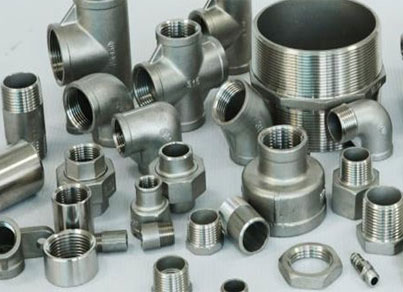
Mild steel plates are a fundamental material in many industries due to their versatility, cost-effectiveness, and favorable mechanical properties. Whether used in construction, manufacturing, or industrial fabrication, mild steel plates provide a reliable and efficient solution for a wide range of applications. For specific project requirements, always consult with suppliers and refer to relevant standards to ensure optimal performance and compliance.